Why This Work
The most important thing happening in schools right now isn’t what’s being measured. It’s what isn’t.
The Challenge
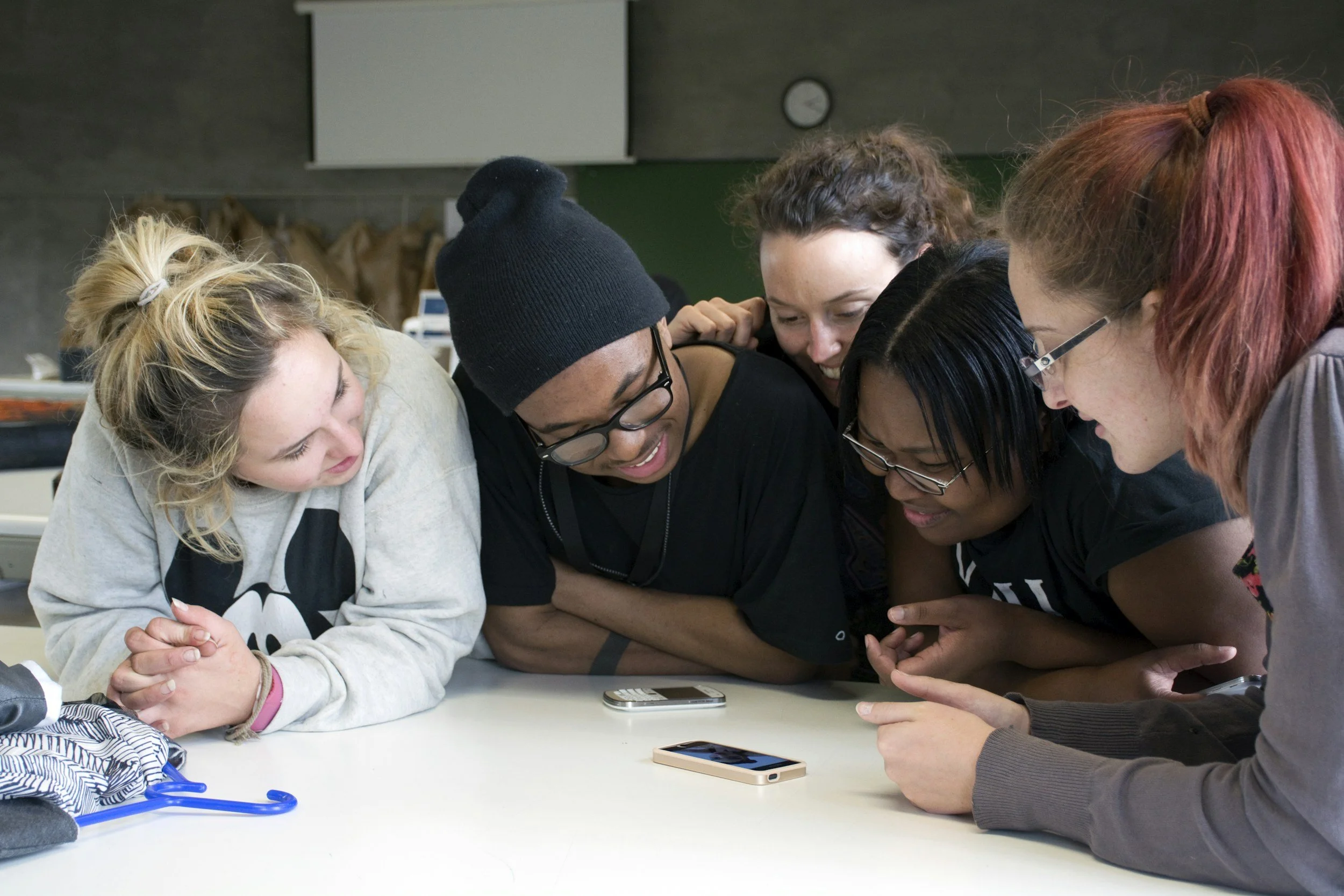
Teenagers are now the loneliest people on earth.
Adolescents report the highest rates of loneliness of any age group worldwide: about 1 in 5. (World Health Organization, 2025)
Beneath the conversation about test scores and AI lies a quieter, more urgent emergency: a generation of students and educators who feel unseen, disconnected, and unsure they matter.
Artificial intelligence only sharpens the stakes. As technology reshapes what schools teach, it clarifies what cannot be automated. The World Economic Forum’s Future of Jobs Report 2025 found that empathy and active listening are among the skills least likely to be replaced by AI.
For too long, schools have treated these deeply human capacities as extracurricular: nice to have, difficult to measure, easy to ignore. That hierarchy is now inverted. These capacities are no longer optional. They are essential.
Human connection
Empathetic leadership
Cross-cultural understanding
Resilience
The Idea
The work begins where your gifts meet genuine human needs.
That convergence, between what a person is uniquely able to offer and what the world genuinely needs, is the animating idea behind Mattering-Centered Education™.
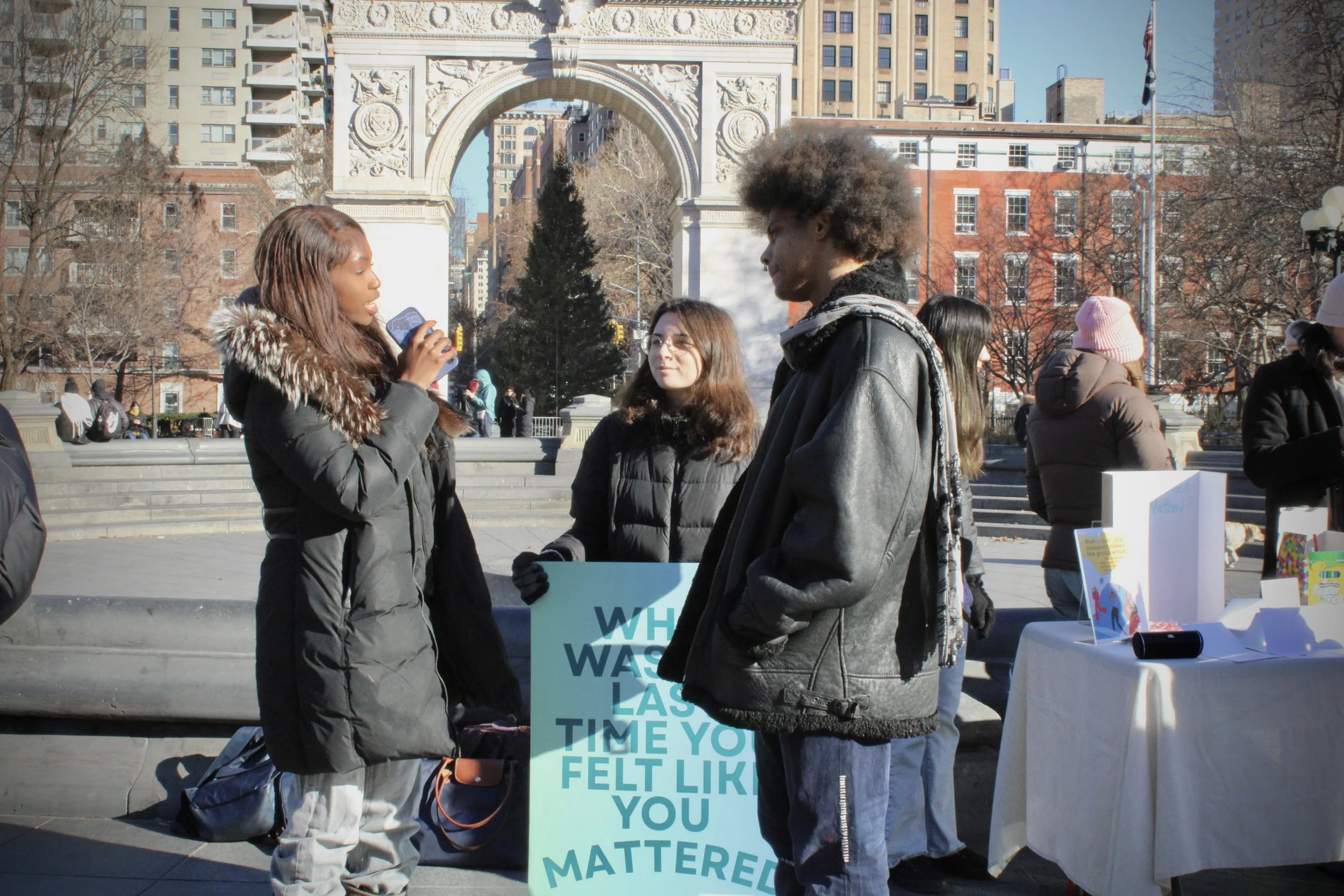
When schools help students and educators find that intersection, something shifts. People stop moving through institutions and start belonging to communities. They stop performing roles and start living purposes. They stop wondering whether they matter and start knowing that they do.
This is not idealism. It is practice. Every school can become a place where people know they are seen, valued, and needed.
A Case Study: Trinity School, NYC
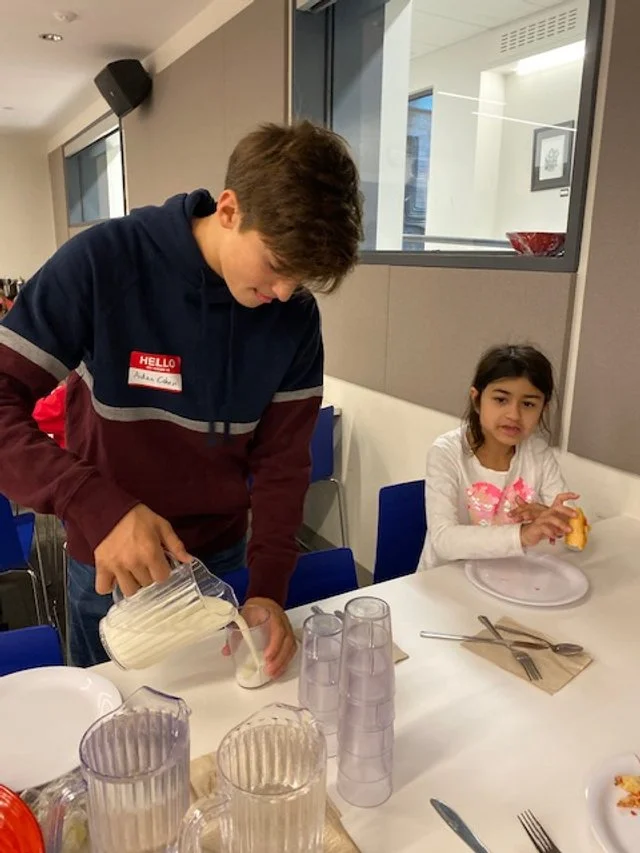
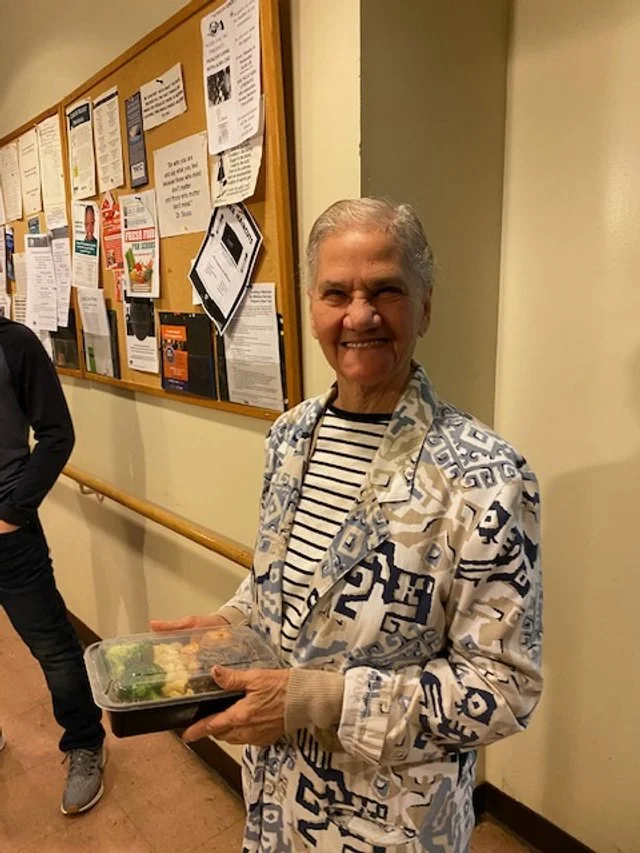
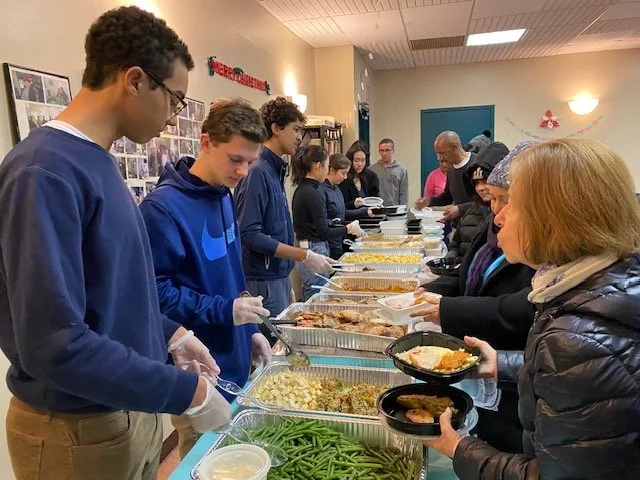
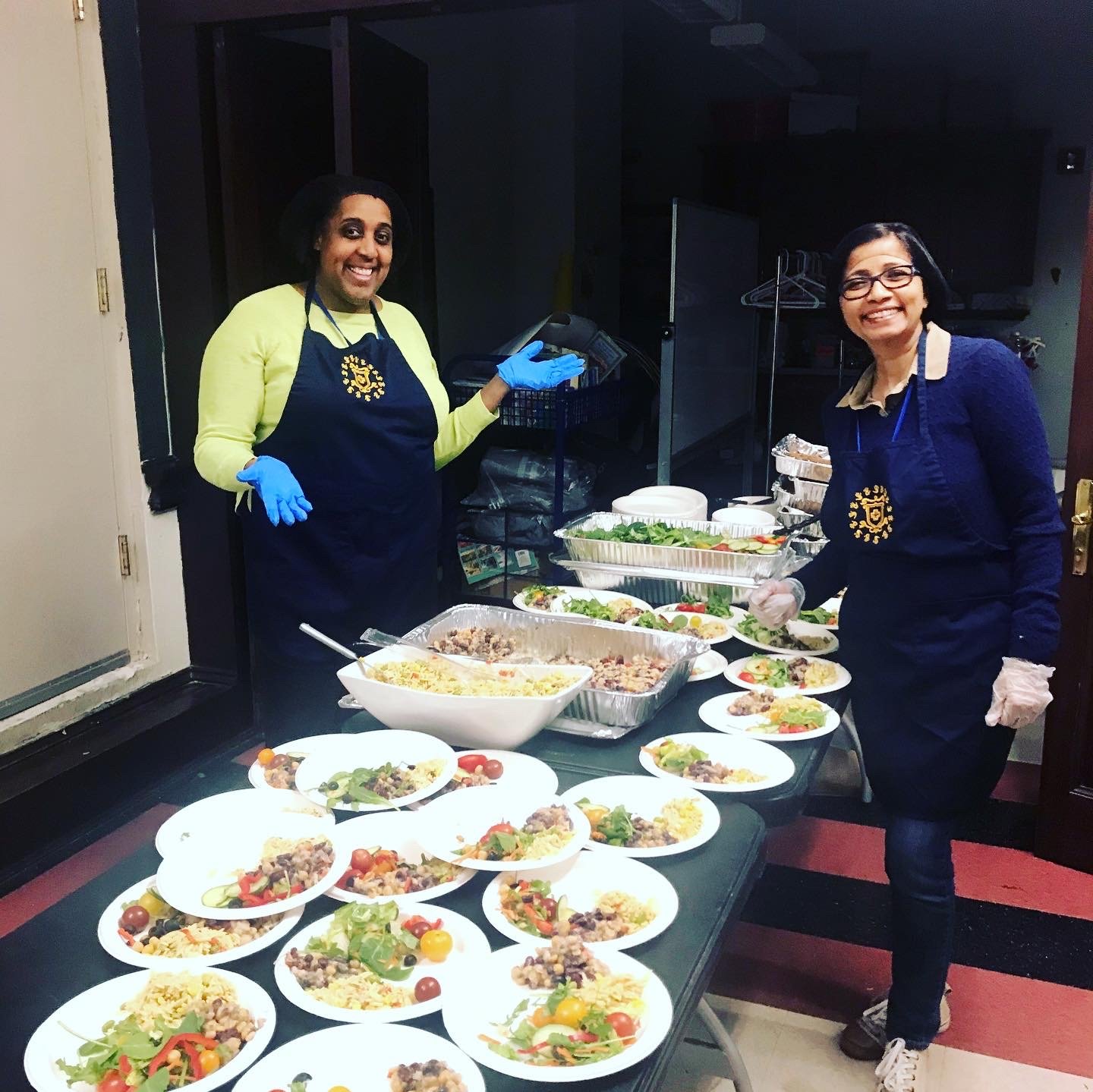
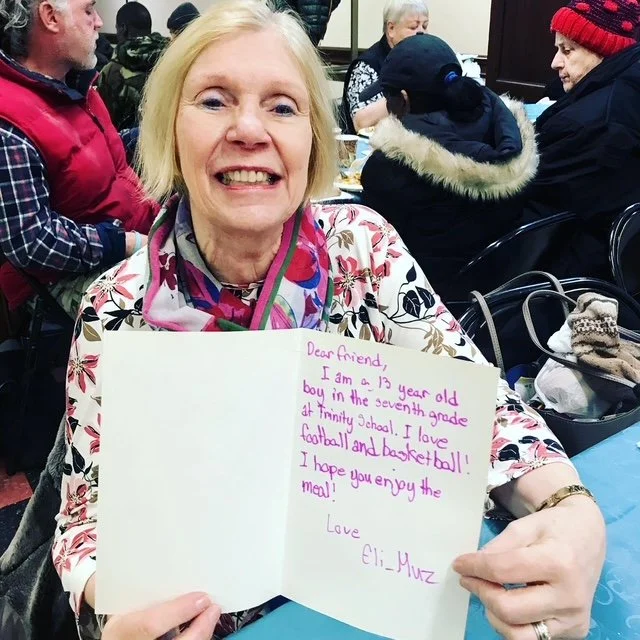
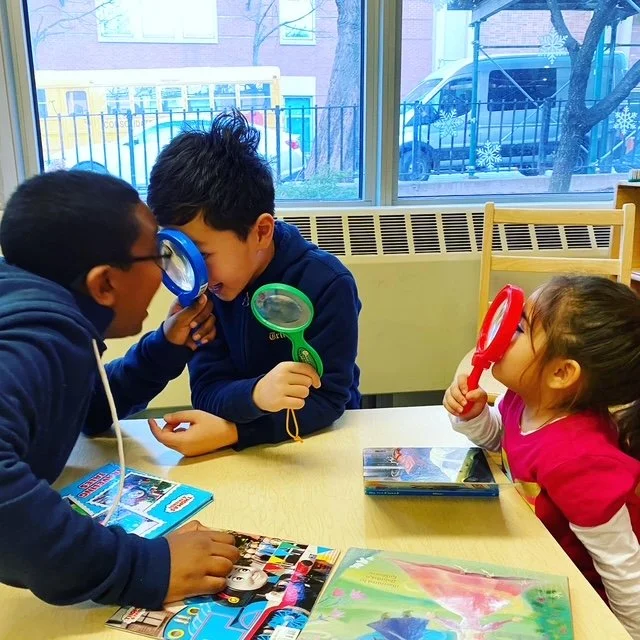
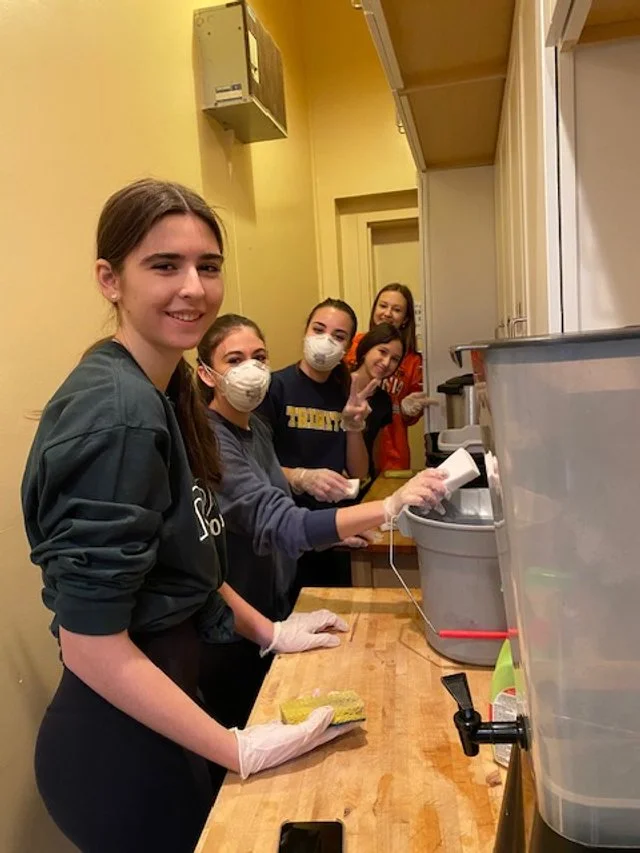
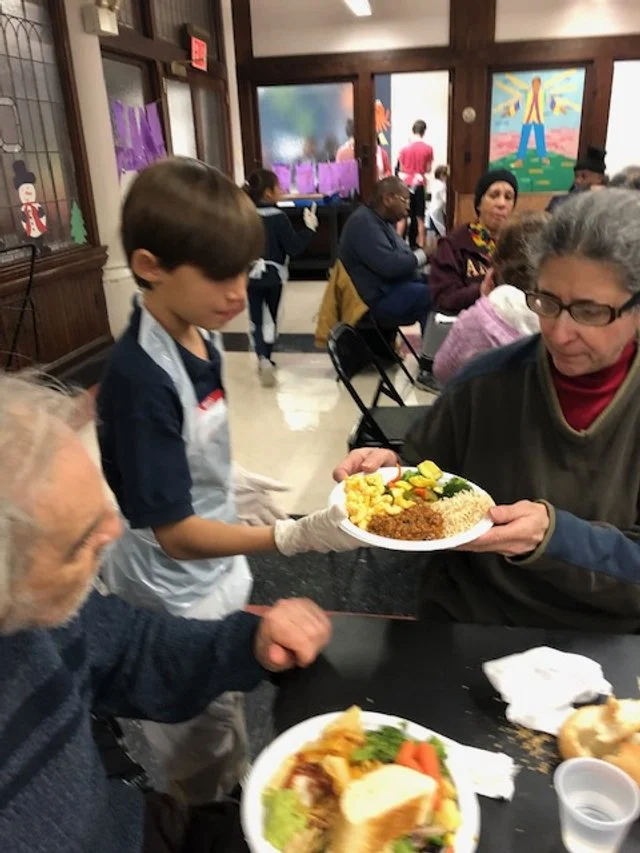
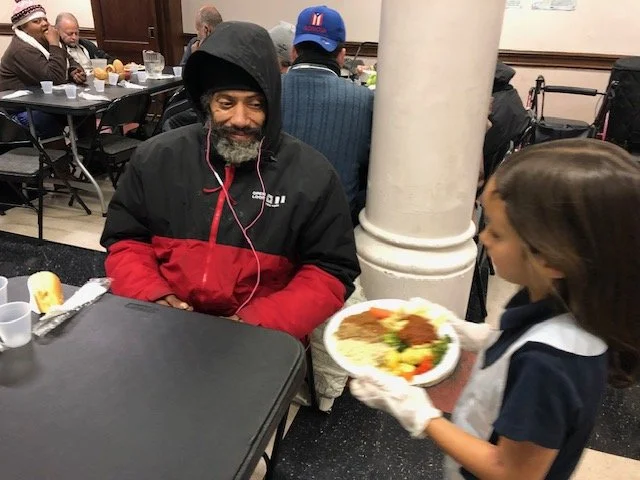
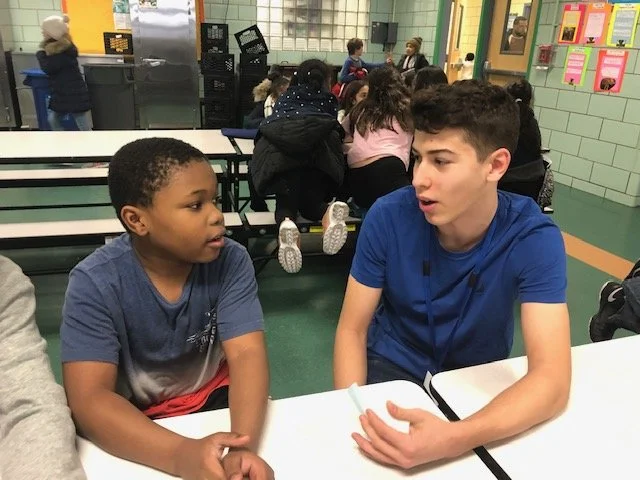
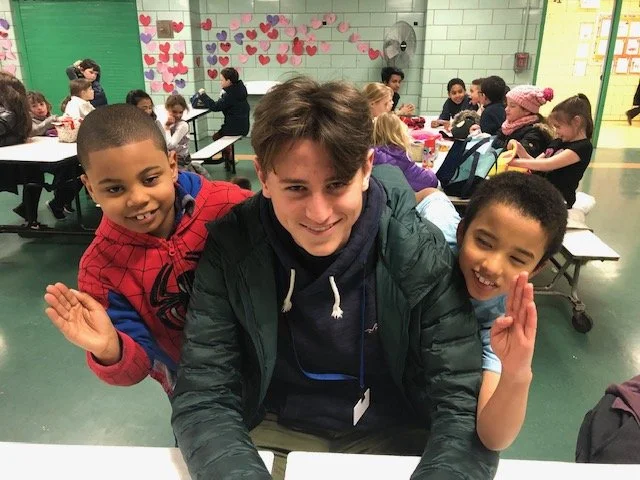
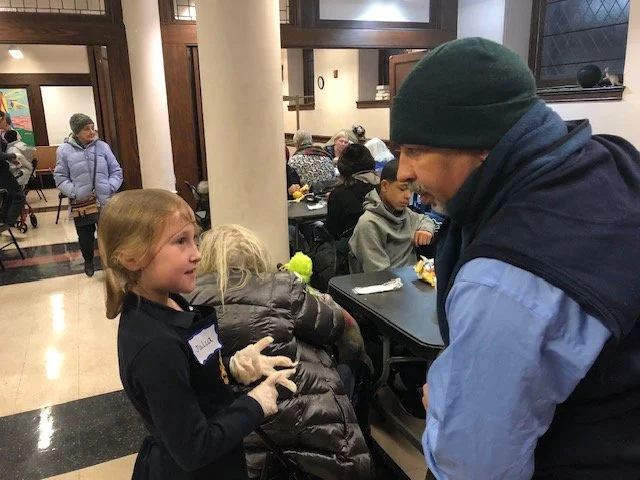
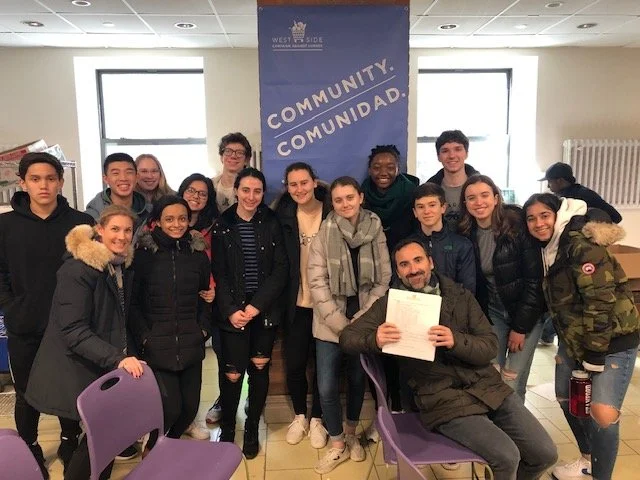
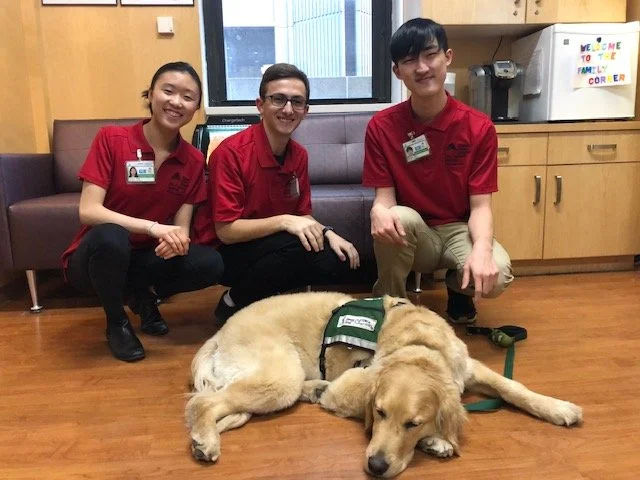
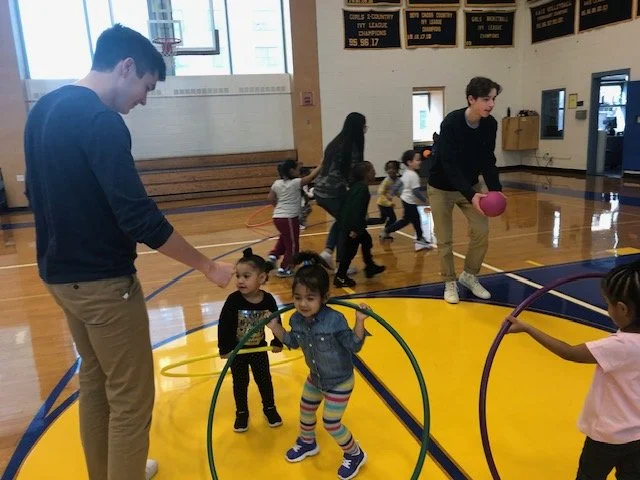
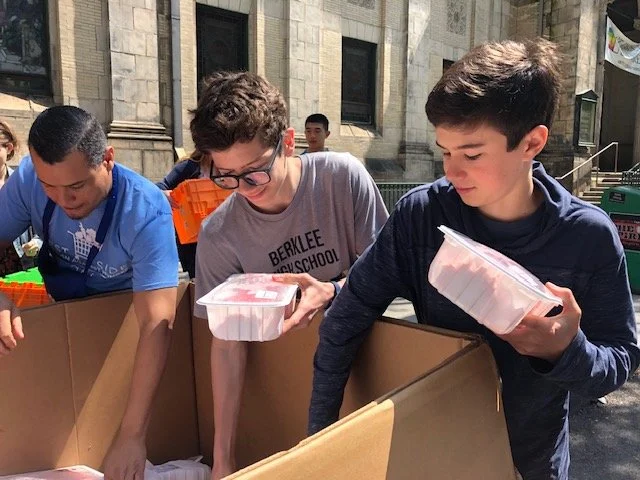
From Achievement Culture to Human Culture: Service Learning Is Mattering in Action.
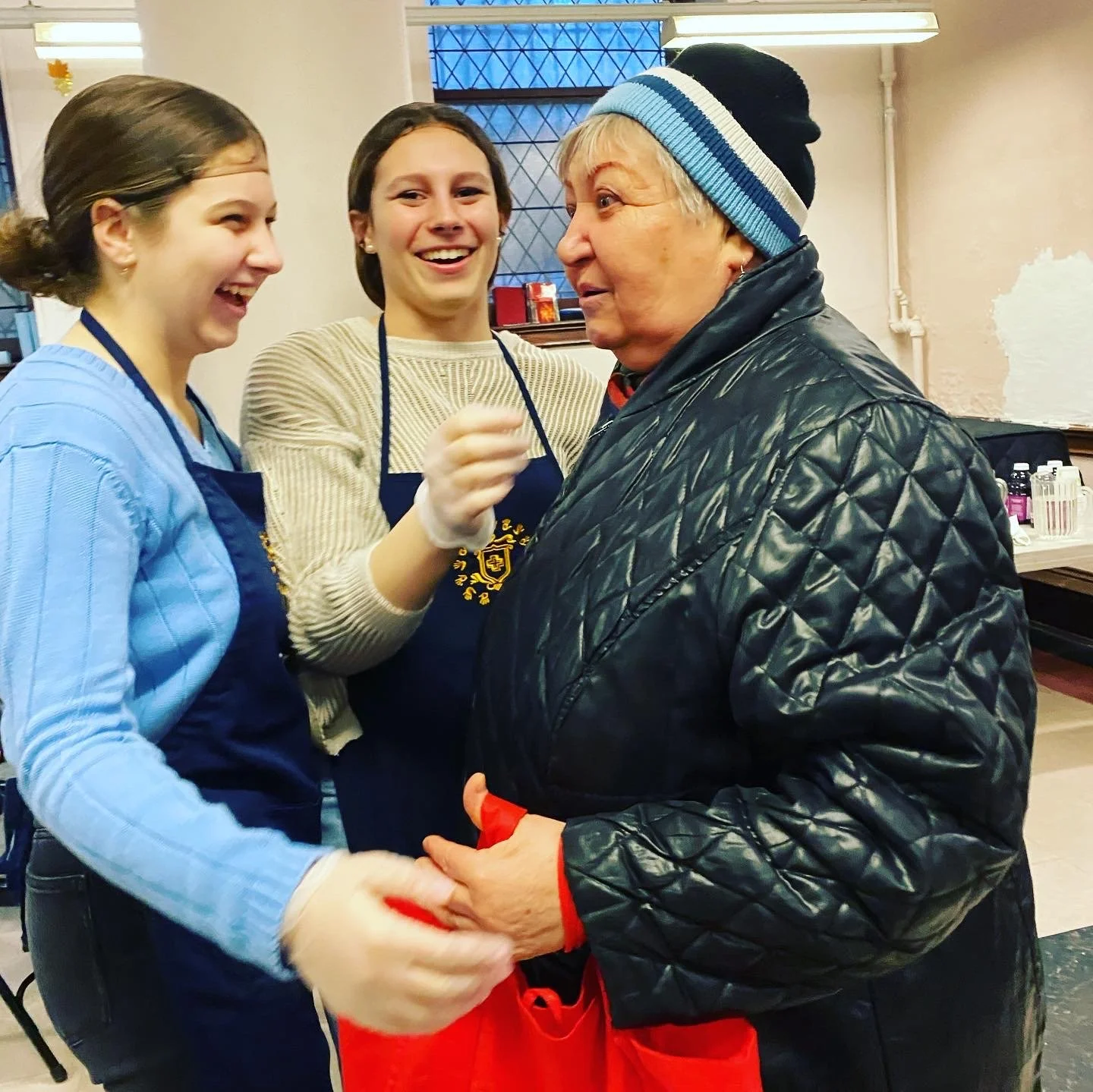
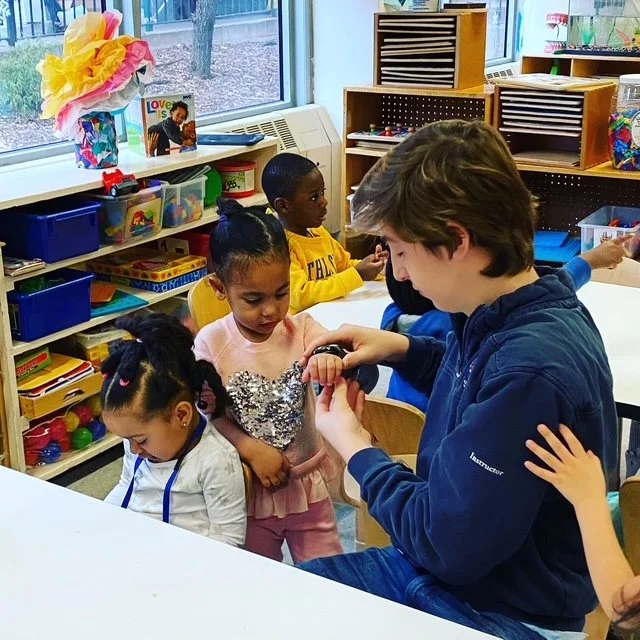
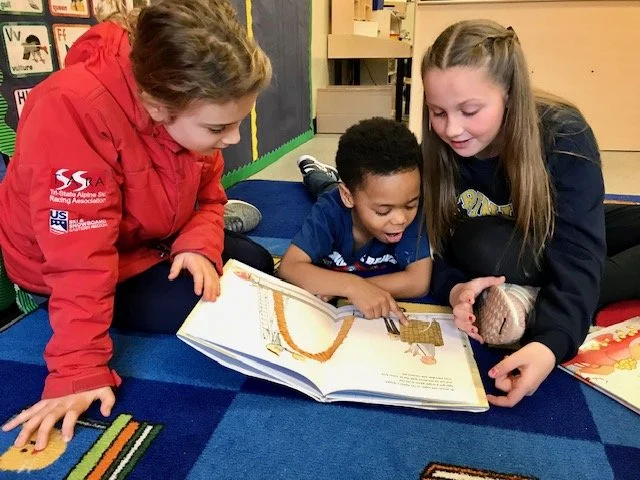
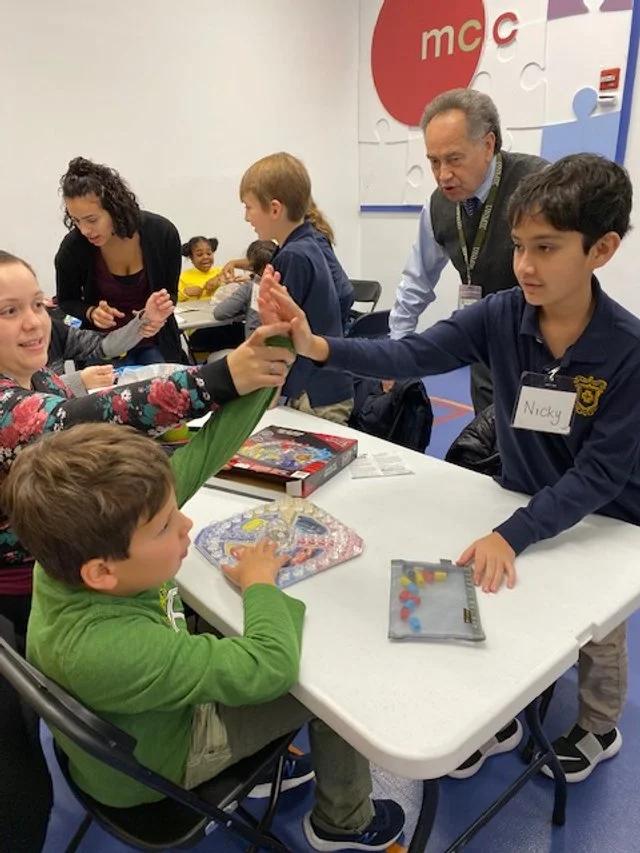
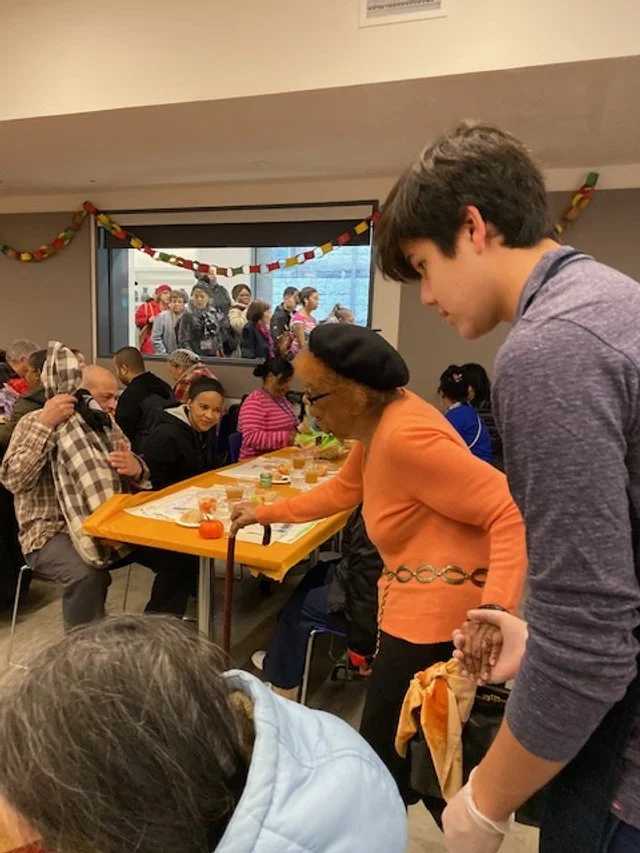
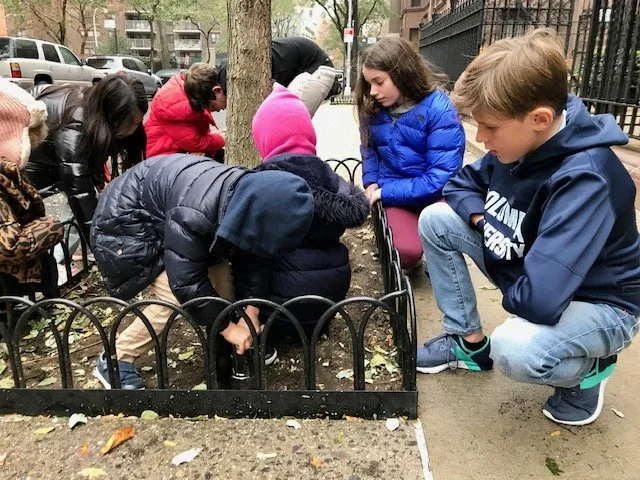
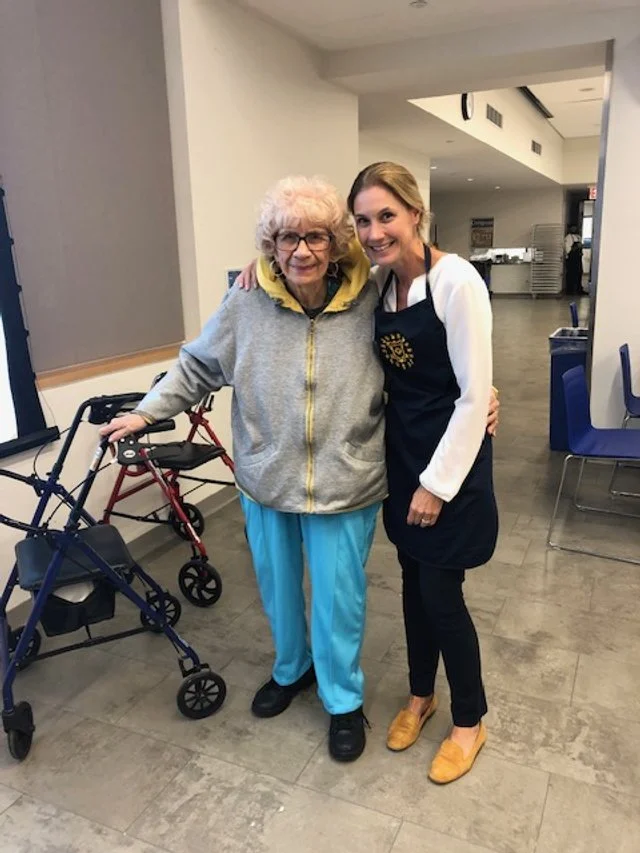
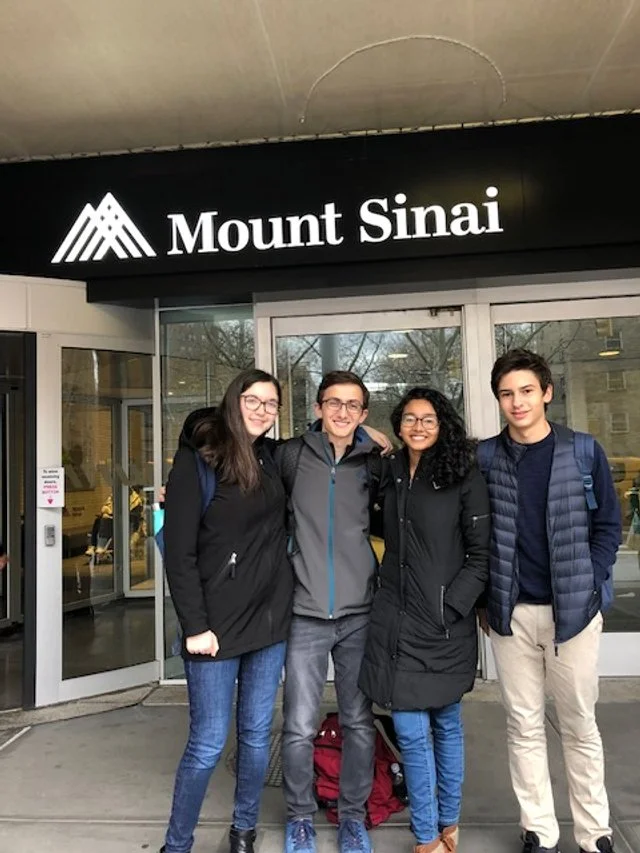
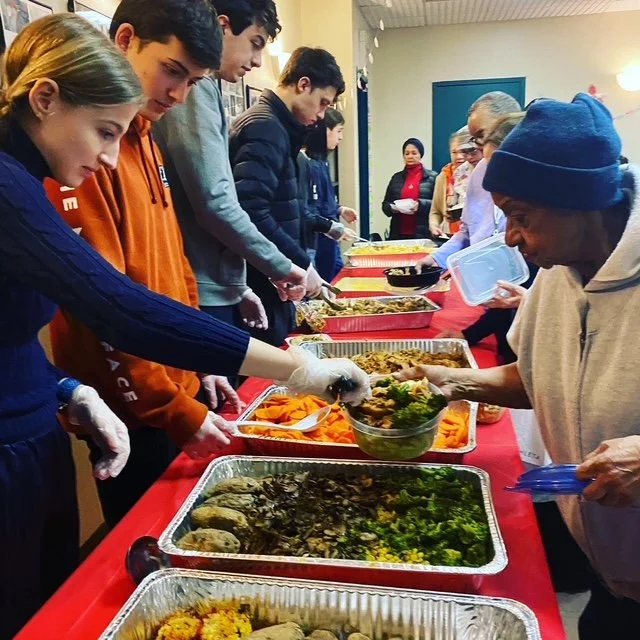
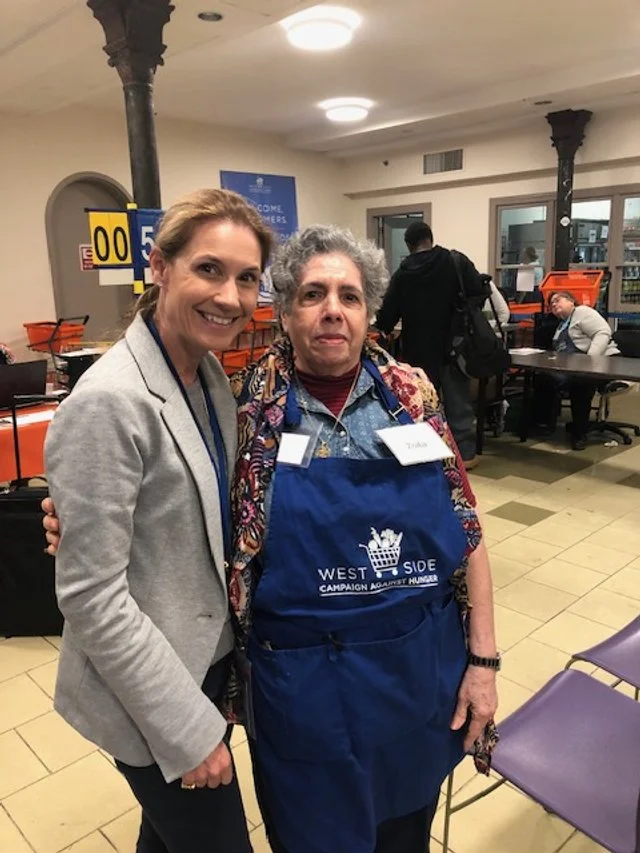
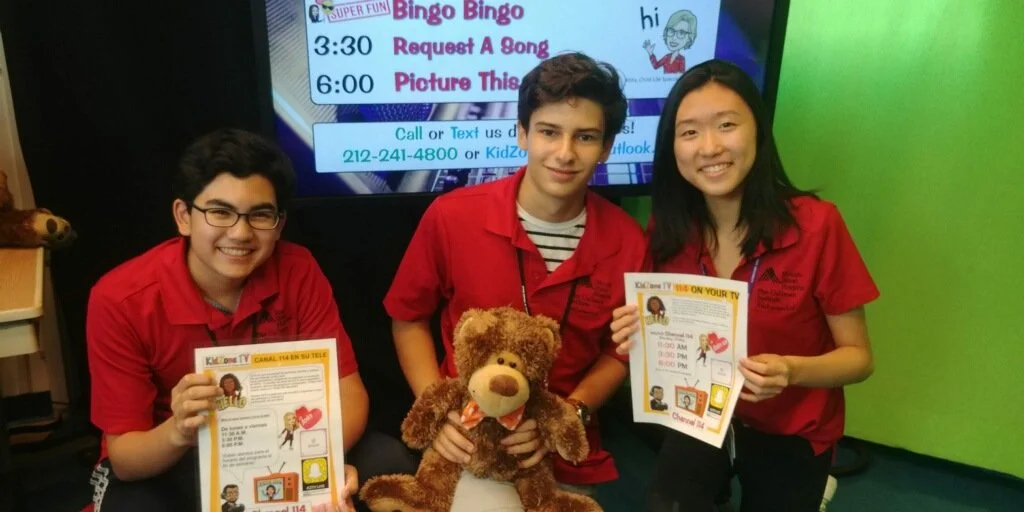
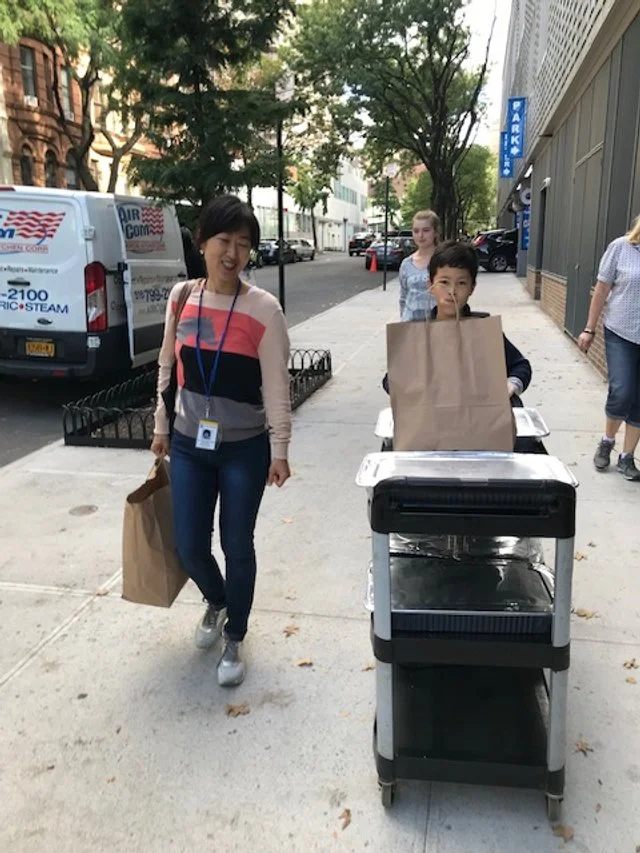
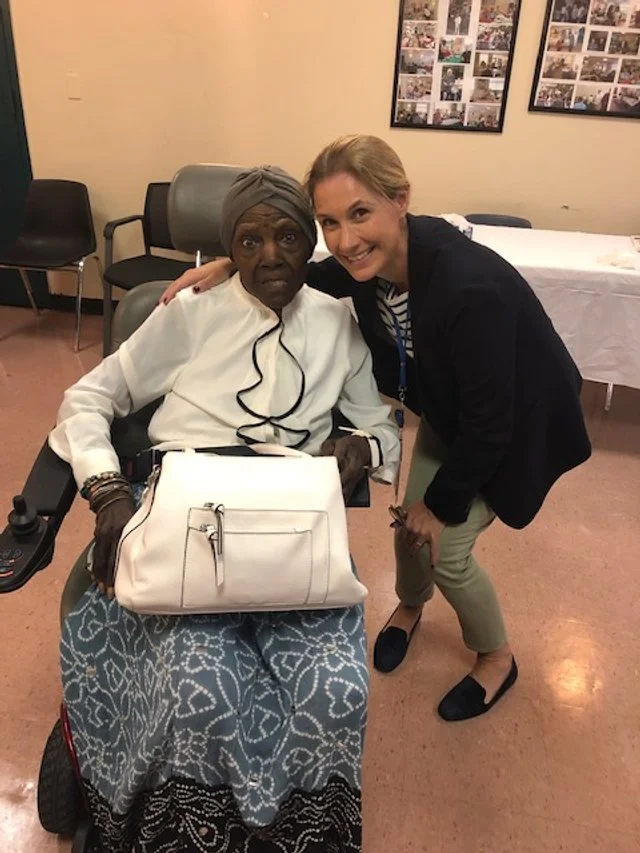
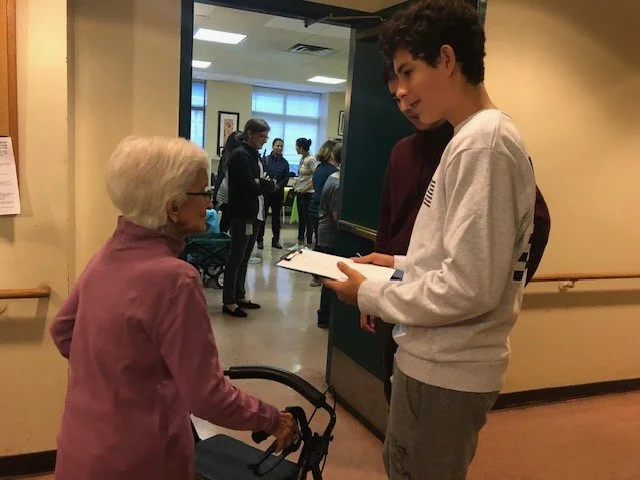
As founding director of Trinity School’s Office of Public Service, Dr. Bennison built a K–12 service learning program grounded in a deceptively simple idea: students flourish when they are needed, not just instructed.
Drawing on deep interdisciplinary scholarship, she created a program that invites students to bring their intellectual work and individual gifts into meaningful, ongoing engagement with the world, and in doing so, to discover something no grade can give them: the experience of mattering.
High-achieving environments can unintentionally reduce students to their performance, creating cultures of anxiety, disconnection, and burnout that undermine the very outcomes schools hope to achieve. The Office of Public Service was built as an antidote: a sustainable, school-wide framework that disrupts toxic achievement culture and builds something more durable in its place, a shared language of purpose grounded in core values and genuine human need.
Learn More About the Office of Public Service

Mattering-Centered Education™
The framework, in four pillars
01
Intellectual work meets real need
Academic learning is connected to genuine community challenges, giving knowledge a purpose beyond the classroom.
02
Gifts are identified and activated
Every student discovers what they uniquely have to offer, and finds a context where it is genuinely needed.
03
Culture is built, not assumed
Mattering doesn’t happen by accident. Schools examine their structures, rituals, and daily practices to ensure every person is known and every contribution counts.
04
Community comes together
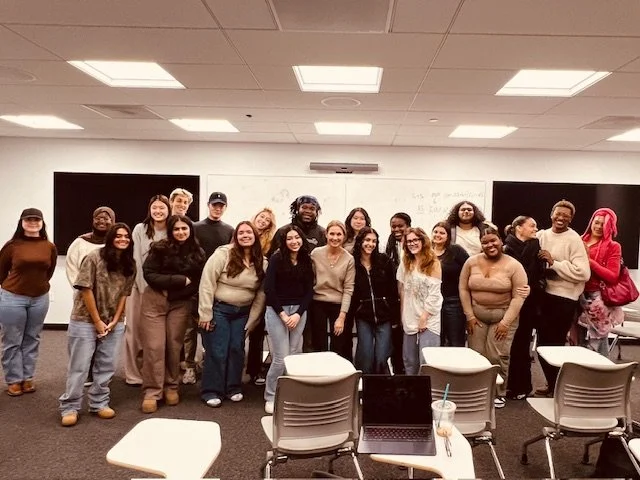
Students, faculty, staff, and families become a connected community, bound by shared purpose and a commitment to one another.
What Changes
What happens when a school is built around mattering
01
Wellbeing
Research links mattering to stronger wellbeing, deeper connection, and a greater sense of purpose.
02
Engagement
Deeper engagement and intrinsic motivation, rooted in meaningful, real-world application.
03
Culture
A more human community, united around shared purpose, values, and mission.
The Invitation
What if your school’s greatest investment wasn’t another program, but how the school itself is built?
Dr. Bennison partners with school and district leaders, faculty, and higher education administrators to build communities where every individual is seen, valued, and needed.
Explore Ways to Work Together